You spent years building your business. The day you sell it or hand it to the next generation may be the largest financial event of your life, and yet most owners spend more time planning their vacations than planning their exit. The tax consequences of a sale are rarely visible until the deal is nearly done, when most of the options to improve them have already disappeared.
The good news is that exit planning is one of the areas where early action pays off the most. Here is how to think about it.
Why the Exit Is a Tax Event
When you sell a business, the question isn't only how much the buyer pays. It's how much
you keep after tax. Two deals with identical price tags can leave you with very different results depending on how the sale is structured, what type of income each part of the price is treated as, and when you receive the money.
That is why succession and exit planning belong in the same conversation as your regular business tax planning. In fact, business succession planning is one of the services on our
business tax planning page.
1. Start Earlier Than Feels Necessary
The most valuable exit strategies take years, not weeks. Entity structure, ownership, retained earnings, and the quality of your financial records all take time to change. If you wait until you have a buyer, you're negotiating with limited tools. If you begin three to five years out, you have room to adjust your structure, clean up your numbers, and shape the business to be more attractive and more tax-efficient to sell.
2. Understand How Your Entity Affects the Sale
How your business is structured shapes how a sale is taxed. The treatment of a sale can differ depending on whether you operate as a sole proprietorship, partnership, LLC, S corporation, or C corporation, and on whether the deal is a sale of assets or a sale of ownership interests. Buyers and sellers often prefer opposite structures, and that tension is part of negotiation.
Because the rules are complex, the entity decision you make today can affect the outcome of a sale years from now. Our guide to
S corporation vs. LLC in New Jersey explains the basics, and our
FAQs note that we help clients choose among entity types.
3. Think About How the Price Is Allocated
In many sales, the purchase price is divided among different kinds of assets, such as equipment, inventory, goodwill, and a non-compete agreement. Each category can be taxed differently, so how the price is allocated can change your after-tax result. This is typically negotiated, and it's far easier to plan for before the contract is signed than to fix afterward.
4. Consider the Timing and Form of Payment
Receiving all of the proceeds in one year can push you into a higher bracket than spreading payments over time. Some deals include installment payments, earn-outs, or seller financing, and each affects when you owe tax. These arrangements come with trade-offs, including the risk that the buyer doesn't pay, so the tax advantage should be weighed against the commercial risk.
5. Clean Books Raise Value and Speed Up the Deal
Buyers pay for confidence. When your financial statements are accurate, current, and easy to follow, due diligence moves faster, and you're less likely to face a price reduction late in the process. If your records need work, a
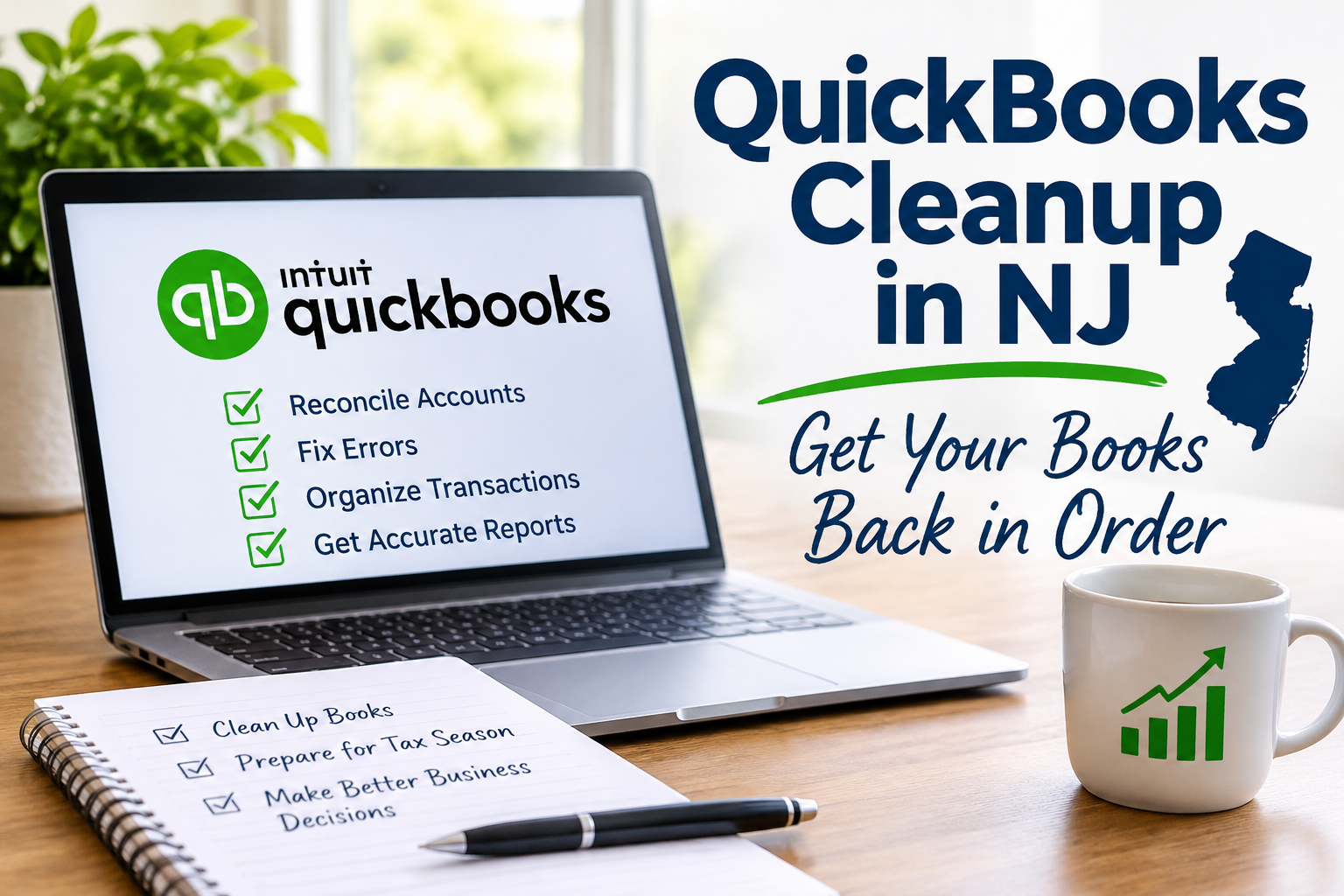
QuickBooks cleanup is a smart early step. As Certified QuickBooks Online Advisors, we can get your file into the condition a serious buyer expects.
6. Don't Overlook Succession to Family or Employees
Not every exit is a sale to a stranger. Transferring ownership to family members or key employees can involve gifting, buy-sell agreements, financing, and estate considerations. The tax treatment depends on how the transfer is structured. These transitions deserve even more advance planning, because relationships are involved as well as dollars. Coordinate with your attorney and financial advisor, since exit planning usually requires a team.
Where We Fit In
Our approach is the same one we use for every client. As described on our
how it works page, we discuss your finances, review your full situation, present your options, and help you put the plan into action. Dan Vigilante is a fully licensed CPA and Certified Tax Coach with more than 30 years of experience, and our
about page lists exit strategies for business owners among the services we provide.
If you want to see how proactive planning works year to year, read
the real benefits of hiring a tax consultant and
why your company needs business tax advisors today. Our
year-end planning checklist is also worth a look, because the years leading up to a sale are the ones that count. Owners of professional practices may also find our guide to
tax planning for doctors and dentists useful. We work with owners throughout the
towns on our serving area page.
Start the Conversation Early
Whether your exit is two years away or ten, the best time to talk is now.
Request a free 30-minute virtual consultation or call (973) 240-9599, and we'll look at where you stand and what steps could improve your outcome.