October 22, 2026
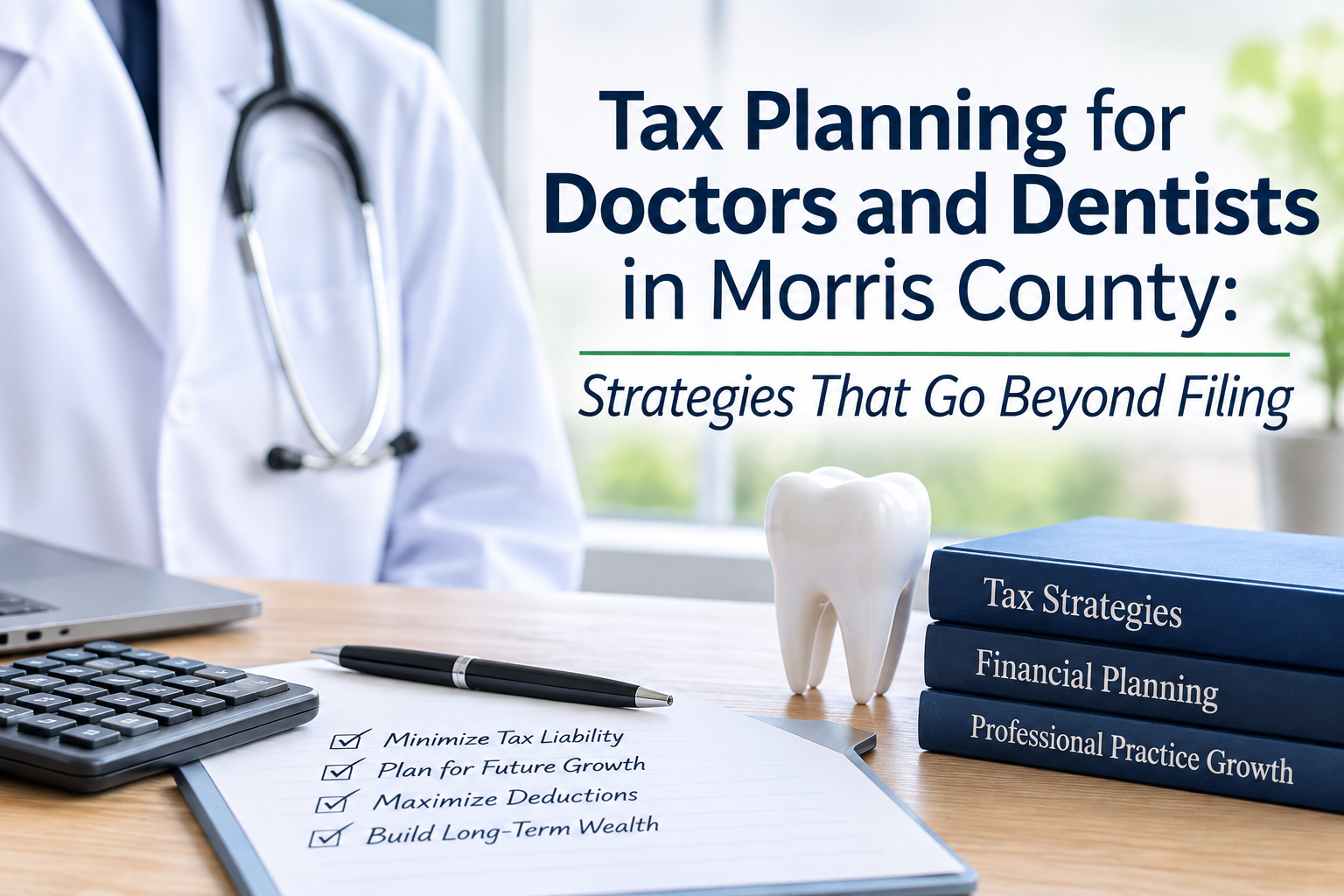
Doctors and dentists share an unusual financial profile. Years of training delay the start of earning, then income arrives at a level that pushes you into the highest tax brackets, often before you've had time to think about strategy. Practice owners add another layer: they're running a business, managing staff and equipment, and trying to build personal wealth at the same time.
The result is that healthcare professionals are among the people who benefit most from proactive tax planning. This is one of the groups our firm is built to serve, since our strategies are designed for clients earning $250,000 or more.
Why Filing Alone Isn't Enough
A preparer enters your numbers into the right boxes. That's necessary, but it doesn't reduce what you owe. For a high-income professional, the difference between filing and planning can be significant, because the decisions that move the needle, like structure, retirement contributions, and timing, are made before the return is prepared. Our about page describes this contrast directly, and the same theme runs through our guide to why Florham Park professional firms need a business tax advisor, not just a tax preparer.
1. Choose the Right Entity for Your Practice
Many practices operate as professional corporations, LLCs, or similar entities, and the right structure depends on your state's rules, your ownership, and your profit. An S corporation election can reduce payroll taxes in some situations, but it brings payroll requirements and a reasonable-salary standard. Practices with multiple owners face added complexity. Read our overview of S corporation vs. LLC in New Jersey before making a change, and ask whether New Jersey's BAIT election applies to you.
2. Build a Serious Retirement Strategy
High earners can often put away more than a standard plan allows. Depending on your age, income, and staff, options might include 401(k) plans with profit sharing, defined benefit or cash balance plans, and other arrangements. These plans have rules about covering employees, so the design has to work for the whole practice, not just the owner. The payoff can be large: lower taxable income today and a funded retirement later.
3. Time Equipment and Technology Purchases
Imaging systems, dental chairs, lasers, software, and office build-outs are expensive. The way and timing of these purchases can affect when you recover the cost through depreciation or expensing. The rules change often, so the right question isn't "how do I deduct this?" but "does the timing of a purchase I'm already planning improve my tax result?" Our year-end tax planning checklist goes deeper on this timing.
4. Understand Your Real Profit
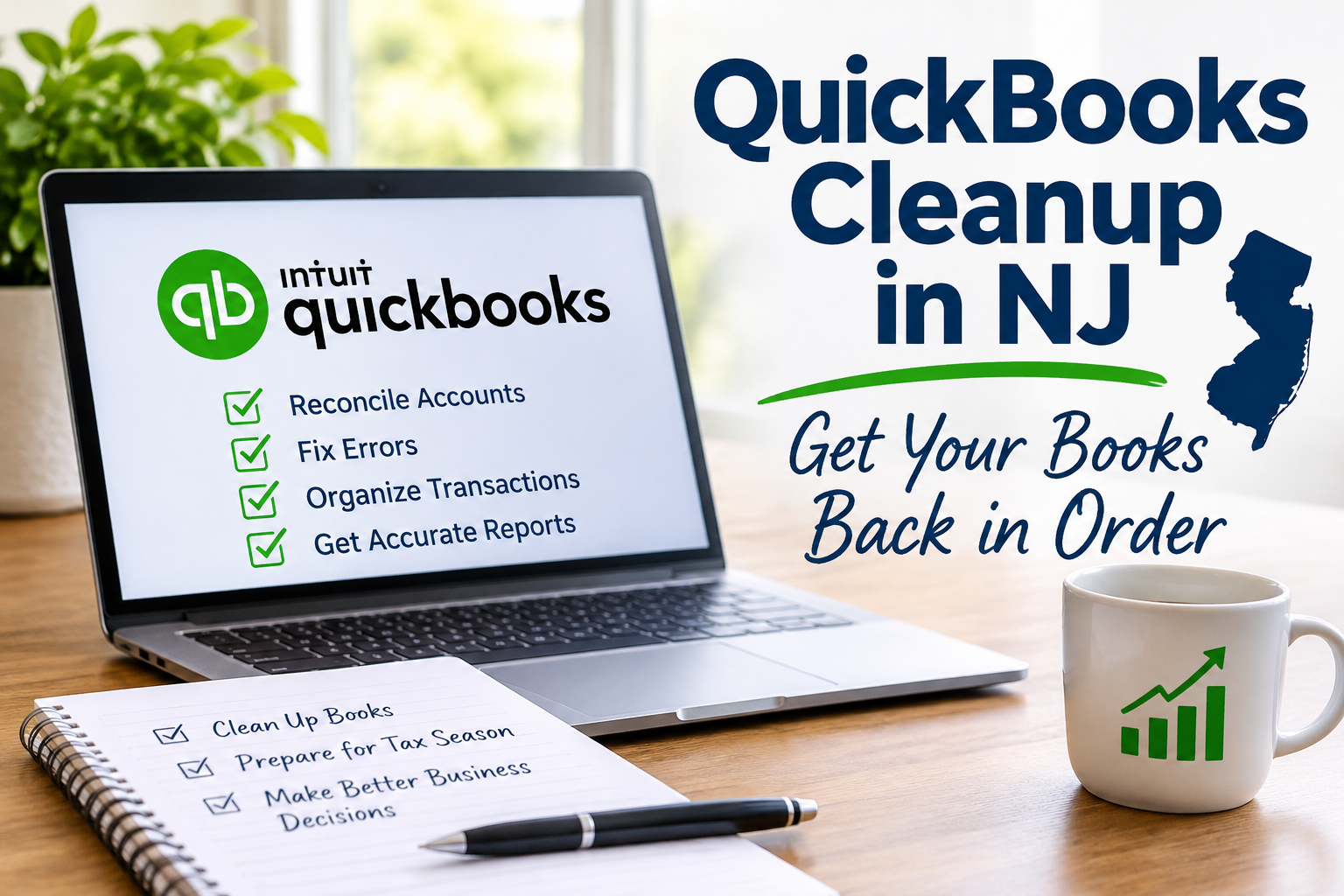
Practices often confuse collections with profit. Insurance reimbursements, patient balances, overhead, staff costs, and owner compensation all shape the real picture. Clean, current books are essential, and a QuickBooks cleanup is frequently the first step for a practice that has grown quickly. As Certified QuickBooks Online Advisors, we can set up a system that gives you reliable monthly numbers.
5. Consider Fringe Benefits and Family Employment
Health insurance, retirement contributions, and other benefits can be structured to benefit both you and your staff. In some cases, legitimately employing family members in real roles may be appropriate. These strategies have strict requirements, including documentation and reasonable pay, so they should be implemented carefully.
6. Plan for Associates, Buy-Ins, and Exits
Whether you're an associate preparing to buy in, a partner negotiating a buyout, or an owner thinking about selling, tax consequences shape the outcome. How a deal is structured, and how the purchase price is allocated, can change what you keep. Exit strategies are among the services we list on our about page, because planning years ahead beats reacting at the closing table.
7. Get Help With Financial Missteps
Sometimes the problem isn't missed savings but a bigger issue: a practice that's under-performing, a structure that no longer fits, or a tax problem that has grown. We help with restructuring and turnaround planning as well, because it's better to face a problem early.
How We Work With Healthcare Professionals
Our four-step process begins with a conversation about your finances, followed by a questionnaire and documentation review, a presented plan with all options, and help putting it into action. Dan Vigilante is a fully licensed CPA, Certified Tax Coach, and member of the American Institute of Certified Tax Planners, with more than 30 years of experience. Learn more about our business tax planning services, read the real benefits of hiring a tax consultant, or see why your company needs business tax advisors today.
We serve practices throughout Morris County and the surrounding towns on our serving area page, including Morristown, Florham Park, Madison, Chatham, Parsippany, and Randolph. Our post on business tax planning in Madison and Chatham offers more local perspective.
Start With a Free Consultation
You spent years building your career. Your tax plan should be as thoughtful as your training. Request a free 30-minute virtual consultation or call (973) 240-9599, and we'll look at your practice and show you what's possible. You can also review our FAQs or read what clients say in our reviews.